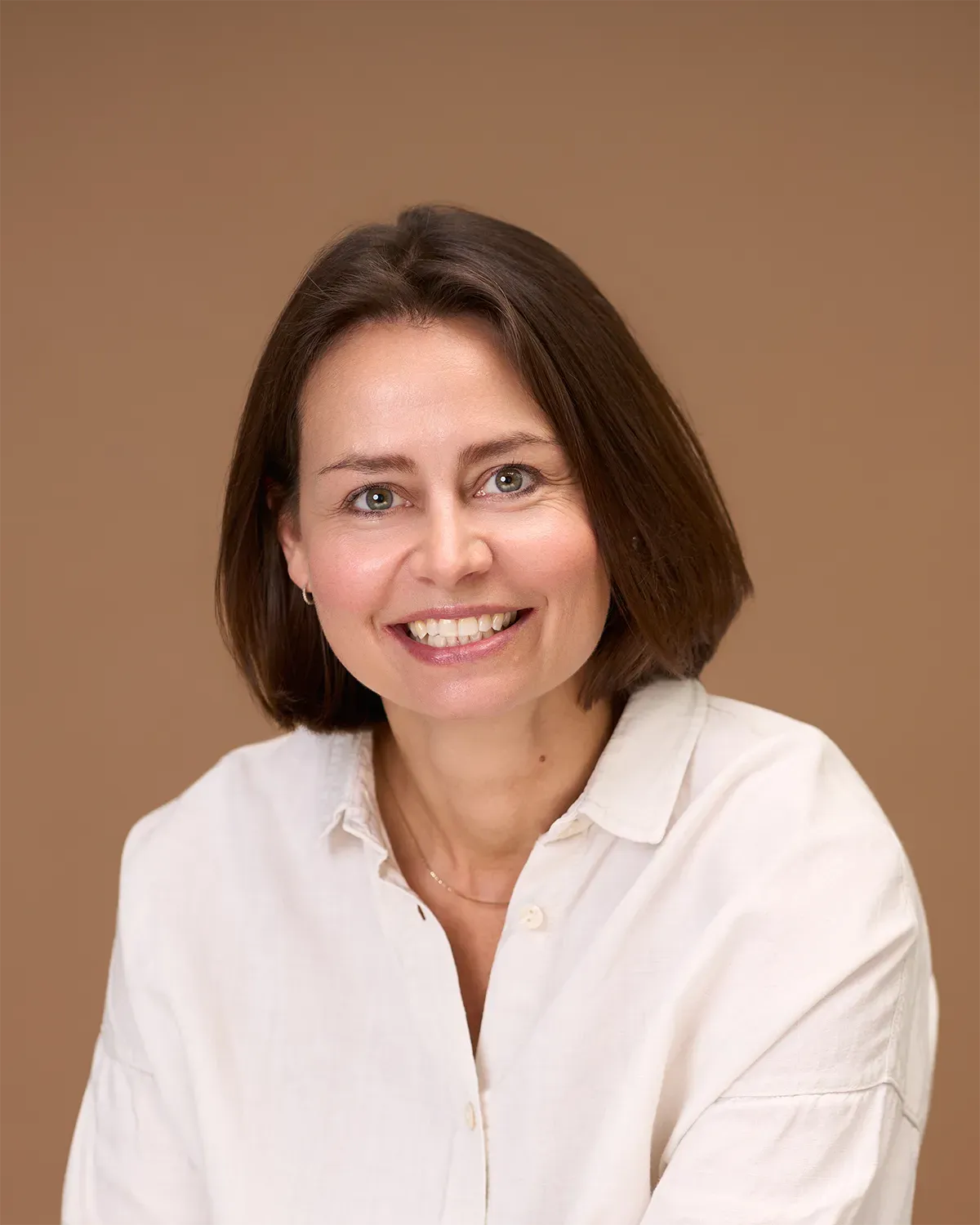
My professional position
Fundamentally, I believe that children do the best they can with the possibilities they have.
When a child reacts with anger, restlessness, withdrawal, or in other ways that become difficult for the family, I am therefore less concerned with making the behavior disappear and more concerned with understanding what it is telling us. A child’s way of being in the world does not arise in a vacuum. It must be understood in the context of the child’s development, relationships, experiences, and the conditions the child is in.
It also means that I often turn my attention to us adults. Not to place blame, but because children are deeply dependent on the adults around them – and because this is precisely where we have the opportunity to create change. When adults gain insight into their own reactions, patterns, and possibilities for doing things differently, new possibilities can arise for the child.
I believe that children should be listened to and taken seriously – but not necessarily literally. It is the adults’ responsibility to be curious about what lies behind the child’s words and actions, while also daring to be the adults.
Because children need parents who can meet them with warmth, curiosity, and recognition while also standing clearly in their adult responsibility. Parents who dare to set direction, make decisions, and create the security that comes from the child not having to carry the responsibility for what belongs to the adults.
My therapeutic work is based on mentalization, attachment, and a systemic understanding of people and relationships. Over many years, I have trained in and worked with, among other things, ICDP and COS-P – two evidence-based and relationship-oriented methods that focus on the interaction between children and their caregivers and on strengthening the adult’s understanding of the child’s needs, feelings, and behavior.
Today I combine this experience with my therapeutic training in my work with the individual, the couple, and the family.
In therapy, I am not concerned with finding one person who is the problem. I am concerned with what happens between us: the patterns we get into, what happens to our ability to understand ourselves and each other when feelings become strong, and how we can create new ways of being together.
Privately, I am a mother of two and live with my family in North Zealand.